Artie Matthews (1888-1958)
About the Composer
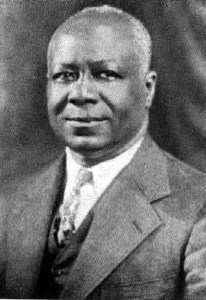
Artie Matthews (1888–1958) was an American composer, pianist, bandleader, publisher, and teacher whose work helped shape the development of ragtime during the early twentieth century. Based primarily in St. Louis, he became one of the city’s leading musical figures, creating works that combined the infectious rhythms of classic ragtime with increasingly adventurous harmonies and a growing awareness of the emerging jazz tradition.
Born in Braidwood, Illinois, Matthews pursued a remarkably varied musical career. In addition to composing, he performed professionally, directed ensembles, taught piano, and established his own publishing company, through which he promoted both his own music and that of other composers. His broad experience as both performer and educator gave him a practical understanding of the music he wrote, resulting in piano works that are at once idiomatic, engaging, and refined.
Matthews’s music preserves the elegance and rhythmic vitality of classic ragtime while pointing toward the richer harmonic language and expressive freedom that would soon characterize early jazz. His works continue to reward performers and audiences with their craftsmanship, imagination, wit, and unmistakable individuality, reminding us that the story of American ragtime extends far beyond its most familiar names.
About the Piece
Pastime Rag No. 4 was composed around 1916 as part of Artie Matthews’s celebrated Pastime Rag series. Although firmly rooted in the traditions of classic ragtime, the work reveals Matthews’s distinctive musical personality through its inventive harmonies, concise form, and unmistakable sense of wit. At a time when ragtime was evolving into early jazz, Matthews helped expand the expressive possibilities of the genre while preserving its rhythmic vitality and infectious energy.
The opening melody immediately sets the piece apart. Rather than relying on a single melodic line, Matthews builds his themes from small clusters that give the music an unexpectedly modern sound. Throughout the rag, these colorful harmonies are balanced by irresistible syncopations and memorable melodies, creating music that is both playful and sophisticated.
At the top of the score, Matthews includes the wonderfully direct instruction, “Don’t fake.” Whether intended humorously, pedagogically, or both, the remark offers a glimpse into the composer’s personality while reminding performers to embrace the music’s distinctive rhythmic character with confidence and authenticity.
Explore Further
- Artie Matthews (African Diaspora Music Project)
- Artie Matthews (Discography of American Historical Recordings)
Sheet Music
The sheet music for this public-domain work is available on IMSLP.

