Francis Johnson (1792–1844)
No. 9 from A Collection of New Cotillions (Second Set), published 1818
About the Composer
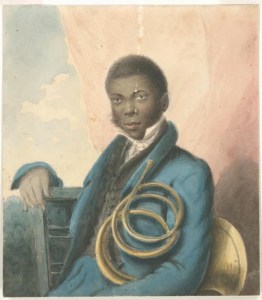
Francis Johnson (1792–1844) was one of the most accomplished and influential American musicians of the early nineteenth century. Born free in Philadelphia, he built a remarkable career as a composer, bandleader, teacher, violinist, and virtuoso on the keyed bugle at a time when professional musical opportunities were limited for all Americans and especially for African Americans. Johnson became the first African American composer known to have published sheet music, and over the course of his career he produced hundreds of works including marches, quicksteps, cotillions, waltzes, ballads, and other popular genres of his day.
Johnson’s music was heard throughout Philadelphia and far beyond. His bands performed for civic celebrations, military events, social dances, and public concerts, attracting both Black and white audiences. In 1837, he led a group of musicians to England, becoming one of the first American bandleaders (and the first African American bandleader) to tour Europe. During the trip, his ensemble performed for Queen Victoria and brought new musical influences back to the United States.
Johnson’s career challenges the common assumption that African American composers entered the story of American concert music only in the late nineteenth or early twentieth century. Johnson was already publishing music and shaping the musical life of the young United States decades before the Civil War. His achievements reveal a richer and more diverse picture of early American musical history than is often presented.
About the Piece
“Francis” comes from Johnson’s Collection of New Cotillions (Second Set), published in Philadelphia in 1818. Cotillions were popular social dances of the late eighteenth and early nineteenth centuries, and collections such as this one were written not for the concert hall but for community gatherings and formal dances.
Like many of Johnson’s dance pieces, “Francis” is concise and elegant. Cast in a simple ABA form, the piece begins in F major, moves briefly to the minor mode for its contrasting middle section, and returns to its opening material. Its balanced structure and graceful melodies reflect the influence of European dance traditions while also offering a glimpse into the musical culture of the young American republic. The work is accessible to intermediate pianists and provides an engaging introduction to an important but often overlooked chapter of American musical history.
Works such as “Francis” remind us that the history of American piano music is not limited to the composers and styles that later entered the concert canon, but also includes the music that accompanied social life and everyday musical experiences. Johnson’s cotillions are more than historical curiosities; they are part of the foundation of American musical culture.
Explore Further
- Francis Johnson – University of Pennsylvania Archives
- Hidden Gems of the NLS Collection: Francis “Frank” Johnson
- The Music of Francis Johnson: A Soundtrack to Antebellum Black Philadelphia
Sheet Music
This public domain work is freely available via IMSLP.

