from Five Scottish Folk-Songs
Helen Hopekirk (1856-1945)
About the Composer
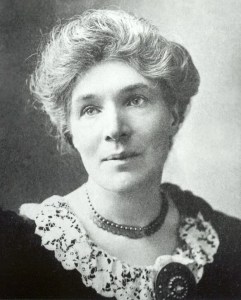
Helen Hopekirk (1856–1945) was a Scottish-born American pianist, composer, and teacher whose career bridged two musical traditions. Born near Edinburgh, she studied in Scotland and Germany before establishing herself as an internationally recognized concert pianist. In 1897, she settled in Boston, where she became an influential performer, educator, and composer. She became a United States citizen in 1918 while maintaining strong artistic ties to her Scottish heritage.
Although Hopekirk enjoyed a distinguished career as a pianist, she also composed a substantial body of music for piano, voice, and orchestra. Many of her later works drew inspiration from Scottish folk melodies, Gaelic traditions, and the landscapes of her native country. Her music occupies a distinctive place within American musical life, blending European Romantic traditions with the folk materials and cultural memories she carried across the Atlantic.
Hopekirk’s career reminds us that American musical history has long been shaped by immigrants who brought their own traditions, experiences, and artistic voices to the United States. Through her compositions and teaching, she helped enrich the musical culture of her adopted country while preserving a strong connection to the place she first called home.
About the Piece
The Land o’ the Leal is the first piece in Hopekirk’s Five Scottish Folk Songs, published in Boston in 1919. The collection reflects her lifelong commitment to preserving the traditional music of Scotland, reimagining familiar melodies as concert piano works.
The title refers to a beloved Scottish song whose text speaks of a place of peace, belonging, and final reunion. Deeply rooted in Scottish cultural memory, the song has long occupied an important place in the country’s musical tradition. Hopekirk’s arrangement preserves the directness and lyricism of the original melody while placing it in a lush, late-romantic pianistic texture, much as Samuel Coleridge-Taylor did with his 24 Negro Melodies.
Written shortly after Hopekirk became an American citizen, the piece offers a poignant glimpse into the way immigrant musicians often carry multiple identities at once. Although she spent much of her professional life in the United States, works such as The Land o’ the Leal demonstrate the enduring importance of Scottish music and culture in her artistic imagination.
Explore Further
- Helen Hopekirk Collection (Library of Congress)
- The Helen Hopekirk Project (Hannah Roberts)
- The Land o’ the Leal (Tobar an Dualchais / Kist o Riches)
Sheet Music
This public domain work is freely available via IMSLP.

